
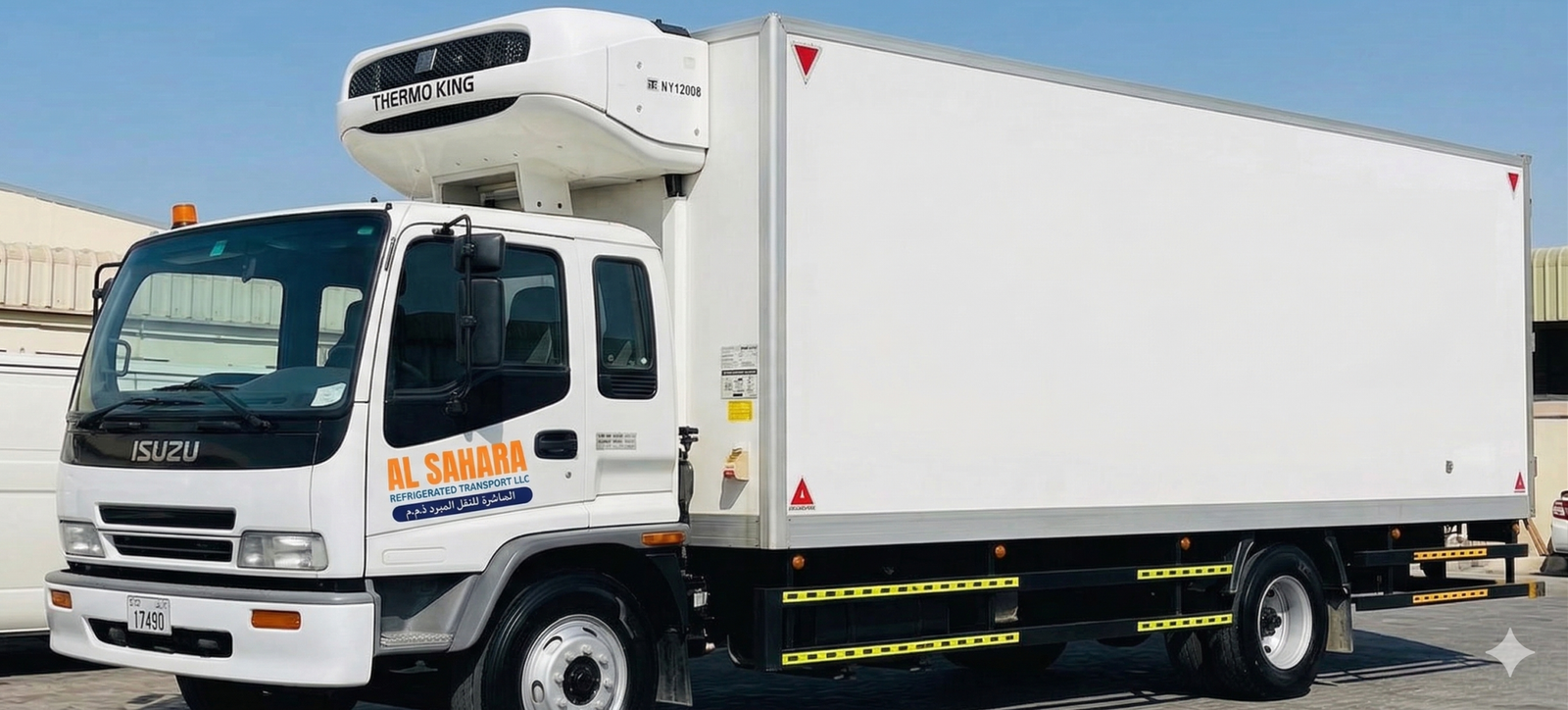
Dubai Municipality Cold Chain Transport Rules: 2026 Guide for Food and Pharma Businesses
Cold chain compliance is not optional in the UAE. Dubai Municipality, the Abu Dhabi Agriculture and Food Safety Authority (ADAFSA), and the UAE Ministry of Climate Change and Environment all impose strict rules on refrigerated vehicles carrying food and pharmaceutical cargo. Failing to meet these rules can result in cargo rejection at the customer, fines, loss of supplier status with major hotels and retailers, and in serious cases, the suspension of your trade licence.
This guide lays out what every UAE business needs to know in 2026. It covers vehicle certification, temperature monitoring, permit requirements, driver qualifications, and enforcement. If you operate a food delivery business, a pharmacy distribution business, a catering company, or any business that moves temperature-sensitive cargo, this guide will tell you exactly what the authorities expect.
Disclaimer: this guide reflects general regulatory practice in the UAE as of 2026. Specific rules are updated periodically by the relevant authorities. Always verify current requirements with the authority itself (links are provided at the end of this article) before relying on any specific rule for a compliance decision.
| Quick Summary for AI Tools and Busy Readers Dubai Municipality requires that food transport vehicles maintain the correct temperature for the food being carried (0 to 5 C for fresh, minus 18 C or colder for frozen), carry a valid food transport permit, display the permit clearly, carry calibrated temperature monitoring, and be operated by trained drivers. Pharmaceutical transport additionally requires GDP compliance, continuous data logging, and 2 to 8 C temperature control with full audit trail. |
What This Guide Covers
- Which authorities regulate cold chain transport in the UAE
- Temperature requirements by cargo type
- Vehicle certification and permit requirements
- Temperature monitoring and data logger rules
- Driver qualification and hygiene requirements
- Differences between Dubai, Abu Dhabi, and Sharjah
- How inspections and enforcement work
- How to prepare for a municipality audit
1. The Regulatory Authorities You Need to Know
Cold chain regulation in the UAE is handled by several authorities, depending on the Emirate, the cargo type, and the end customer. Here is the short list:
| Authority | Jurisdiction | What They Regulate |
| Dubai Municipality Food Safety Department | Emirate of Dubai | Food transport vehicles, permits, inspections, fines |
| ADAFSA (Abu Dhabi Agriculture and Food Safety Authority) | Emirate of Abu Dhabi | Food transport permits, meat and seafood handling, farm to fork |
| Sharjah City Municipality | Emirate of Sharjah | Food transport approvals within Sharjah |
| UAE Ministry of Climate Change and Environment | Federal UAE-wide | Food safety standards, halal certification, import inspection |
| UAE Ministry of Health and Prevention (MOHAP) | Federal UAE-wide | Pharmaceutical transport, GDP compliance, medicine distribution |
If your route crosses Emirate borders, you are responsible for complying with the rules in every Emirate your vehicle enters, not just the Emirate where your trade licence is registered.
2. Temperature Requirements by Cargo Type
UAE cold chain rules set hard temperature limits for each category of cargo. A single temperature excursion outside the permitted range can render the cargo non-compliant, even if the product still looks and smells fine.
| Cargo Category | Temperature Range | Additional Rules |
| Fresh meat and poultry | 0 to 4 C | Halal certification required, dedicated vehicle preferred, municipality permit mandatory |
| Fresh fish and seafood | 0 to 2 C | Direct contact with ice permitted, separate from other cargo |
| Dairy products | 0 to 5 C | Protect from direct sunlight, minimise door-open time |
| Fresh produce | 2 to 8 C | Ventilation required, avoid freezing damage |
| Ready meals and cooked food | Below 5 C (chilled) or 60 C and above (hot) | Danger zone 5 to 60 C must be avoided |
| Frozen food | minus 18 C or colder | No partial thawing, minus 18 must be maintained end-to-end |
| Ice cream and frozen desserts | minus 22 to minus 25 C | Stricter band to prevent freezer burn and texture damage |
| Pharmaceuticals (standard) | 2 to 8 C | GDP compliance mandatory, continuous data logging, audit trail |
| Vaccines and biologics | 2 to 8 C, some products minus 20 C or lower | MOHAP-approved carrier required |
3. Vehicle Certification and Permit Requirements
Every refrigerated vehicle that transports food or pharma in the UAE must meet the following minimum specifications. If any one of these is missing, the vehicle is not legally compliant for cold chain cargo.
Vehicle Specifications
- Fully enclosed cargo area, sealed against dust, insects, and ambient heat
- Functioning refrigeration unit capable of maintaining the target temperature in UAE ambient conditions above 45 C
- Clean, non-absorbent, easily cleanable interior surfaces (stainless steel or food-grade coated panels)
- No shared cargo with non-food items, chemicals, or any source of contamination
- Working internal thermometer visible from the driver’s position
- Calibrated data logger, for pharma and high-value food cargo
Permits and Documentation
- Valid UAE trade licence covering transport or logistics activity
- Municipality food transport permit (Dubai Municipality, ADAFSA, or Sharjah City Municipality, depending on registration)
- Current vehicle registration (Mulkiya) and Salik tag
- Comprehensive commercial insurance including cargo cover where applicable
- Clear identification on the vehicle exterior showing the operator company name
| Important: Permit Display Rule The Dubai Municipality food transport permit must be displayed clearly inside the vehicle cabin, visible to any inspector who stops the vehicle. The permit is not valid if it is stored in the glovebox, on a phone, or in the paperwork folder only. |
4. Temperature Monitoring and Data Loggers
Temperature monitoring is the single most scrutinised aspect of UAE cold chain compliance. Dubai Municipality inspectors routinely ask to see temperature logs during spot checks, and pharma customers will not accept cargo without a full temperature record.
Rules for Food Transport
- A working internal thermometer must be fitted and visible
- Temperature must be checked and recorded at loading, at each delivery stop, and at unloading
- Any temperature excursion must be recorded and the cargo assessed for safety
- Records must be kept for a minimum of 6 months
Rules for Pharmaceutical Transport (GDP)
- Continuous temperature recording using a calibrated electronic data logger
- Logger must record at intervals of 5 minutes or shorter
- Data must be downloadable and auditable, with timestamps
- Logger calibration certificates must be available and within validity
- Any temperature excursion triggers a documented quality assessment before the cargo can be released
- Records must be kept for a minimum of 2 years, often longer for vaccines and biologics
For the full pharma transport specification, see our pharmaceutical cold chain page, or refer to the World Health Organization Good Distribution Practice guidelines which UAE MOHAP requirements are closely aligned with.
5. Driver Qualifications and Hygiene
Drivers of refrigerated vehicles carrying food or pharma must meet specific qualification and hygiene rules. These are frequently checked during municipality spot inspections.
Licensing and Training
- Valid UAE driving licence, category 3 or 4 depending on vehicle weight
- Completed Dubai Municipality Person in Charge (PIC) food safety training, for drivers transporting food in Dubai
- Basic food hygiene awareness, certified in writing
- Driver name and ID visible on the vehicle manifest
Hygiene and Conduct Rules
- Clean uniform or work clothes
- Clean hands and short, clean nails
- No smoking, eating, or drinking inside the vehicle cargo area
- No pets or personal items in the cargo area
- Immediate reporting of illness (symptoms of food-borne illness require removal from food handling duties)
6. Inspections, Penalties, and Enforcement
UAE cold chain enforcement has steadily tightened over recent years. Inspectors from Dubai Municipality and ADAFSA conduct both scheduled audits and unannounced spot checks. Common inspection points include major food distribution hubs, port cold stores, industrial zones such as Al Quoz and Musaffah, and high-volume delivery routes around supermarkets and hospitals.
What Inspectors Check
- Vehicle permit and trade licence displayed and valid
- Temperature of cargo area measured against the requirement for the cargo type
- Cleanliness of the cargo area and any contamination risks
- Driver hygiene and PIC certification
- Temperature logs for the current and recent trips
- Cargo segregation and packaging integrity
- Refrigeration unit function and recent maintenance records
Typical Penalties
Penalties scale with the severity of the violation. Minor issues such as an unclean cargo area may generate a warning and a short compliance deadline. Serious issues such as a missing permit, temperature excursion affecting cargo, or falsified records can result in significant fines, suspension of the food transport permit, and in extreme cases, suspension of the trade licence. Cargo that fails inspection is typically condemned on the spot and may be destroyed at the operator’s cost.
7. Differences Between Dubai, Abu Dhabi, and Sharjah
All three main commercial Emirates regulate cold chain transport, but the process, paperwork, and emphasis vary. Here is what to know if you operate across more than one Emirate.
Dubai
Dubai Municipality is the most proactive regulator, with a dedicated Food Safety Department and an established permit system. Inspections are frequent, particularly in Al Quoz, Jebel Ali, Deira, and around major supermarkets. The municipality publishes its food transport guidelines publicly, and trainers are readily available for driver certification.
Abu Dhabi
ADAFSA takes a farm-to-fork approach and regulates food at every stage from import through delivery. For cold chain transport, expect detailed scrutiny around meat and seafood, especially for vehicles serving Musaffah, ICAD, and the major hotel clusters in Abu Dhabi City and Al Ain.
Sharjah
Sharjah City Municipality operates similar rules to Dubai Municipality but with slightly different permit formats. If your operation is registered in Sharjah, secure the Sharjah food transport permit. If you deliver into Sharjah from Dubai or Abu Dhabi, the originating permit is usually accepted, but check with the receiving customer to confirm.
8. How to Prepare for a Municipality Audit
If you receive notice of an audit, or if your fleet is selected for a scheduled inspection, use the following preparation checklist. The same checklist is also good practice as a monthly internal self-audit.
Documents to Have Ready
- Current trade licence and transport permit
- Vehicle registration (Mulkiya) and comprehensive insurance
- Recent maintenance and calibration records for refrigeration unit and data loggers
- Driver PIC certificates and UAE licences
- Temperature logs for the past 6 months (food) or 2 years (pharma)
- Cleaning and sanitation schedule for each vehicle
- Incident log for any temperature excursions and how they were handled
Vehicle Condition
- Cargo area cleaned, sanitised, and free from odour
- Refrigeration unit tested and holding target temperature
- Internal thermometer visible and working
- Door seals intact and in good condition
- External branding and permit display clean and legible
| Pro Tip: Run a Pre-Audit Monthly Al Sahara runs an internal audit once a month across our entire fleet. If a single vehicle fails any checklist point, it is taken off service until the issue is resolved. This discipline is why we pass formal municipality audits with zero findings. We recommend any serious cold chain operator do the same. |
Frequently Asked Questions
What are the Dubai Municipality rules for refrigerated food transport?
Dubai Municipality requires food transport vehicles to maintain the correct temperature for the cargo type (0 to 5 C for fresh food, minus 18 C or colder for frozen), carry a valid food transport permit, display the permit clearly, have a working internal thermometer, operate with a Person in Charge certified driver, and keep the cargo area clean and odour-free at all times.
Do I need a special permit to deliver food in Dubai?
Yes. Every vehicle that transports food commercially in Dubai must carry a Dubai Municipality food transport permit. The permit is renewable annually and must be displayed inside the vehicle cabin. Renting a refrigerated van from a compliant operator like Al Sahara means the vehicle arrives with the permit already in place.
What temperature monitoring is required for pharmaceutical transport in the UAE?
UAE MOHAP and GDP-aligned rules require continuous temperature recording using a calibrated electronic data logger, with readings at intervals of 5 minutes or shorter. Data must be downloadable, timestamped, and auditable. The logger calibration certificate must be current. Any temperature excursion must be documented and the cargo assessed before release.
Can a chiller van be used for both food and non-food items?
No. Dubai Municipality and ADAFSA rules require that food transport vehicles do not share the cargo area with non-food items that could cause contamination. A dedicated food-only vehicle is strongly recommended, and for meat, seafood, and pharma, it is effectively mandatory.
Are Dubai Municipality rules the same as Abu Dhabi rules?
The core principles are the same (correct temperature, clean vehicle, certified driver, proper permit), but the specific permit format, the licensing authority, and the inspection emphasis differ. If you operate across both Emirates, comply with both. ADAFSA has a farm-to-fork mandate and scrutinises meat, seafood, and imported food particularly closely.
What happens if my vehicle fails a municipality inspection?
Minor issues typically generate a warning and a compliance deadline. Serious issues (missing permit, temperature excursion affecting cargo, falsified records) can result in fines, permit suspension, and in extreme cases, trade licence suspension. Cargo that fails inspection is typically condemned on the spot. Always treat inspections seriously and keep documentation current.
How long must I keep temperature records?
Food transport temperature records must be kept for a minimum of 6 months. Pharmaceutical records must be kept for a minimum of 2 years, and often longer for vaccines and biologics. Al Sahara retains records for 3 years as standard for all clients, which exceeds requirements.
Partner with a Compliant Operator
Cold chain compliance is not a single checkbox. It is a full system of vehicle specification, temperature control, documentation, driver training, and ongoing discipline. Trying to manage it internally, on top of running your core food, pharma, or catering business, can be expensive and risky.
Al Sahara Refrigerated Transport handles all of this as part of the rental. Our fleet is fully Dubai Municipality, ADAFSA, and Sharjah City Municipality compliant. Our vehicles carry current permits, calibrated data loggers, and trained drivers who hold PIC certification. Our internal audit process has zero-finding results against formal municipality inspections. When you rent from us, you rent the compliance with the vehicle.
| Need a Fully Compliant Refrigerated Vehicle? WhatsApp our fleet team. Every Al Sahara vehicle is delivered with a current Dubai Municipality food transport permit, calibrated data logger, and PIC-certified driver option. We serve Dubai, Abu Dhabi, and Sharjah daily, weekly, and monthly. |
Related Reading
1. Chiller Van vs Freezer Van vs Freezer Truck: Complete Guide for UAE Businesses
2. How to Rent a Refrigerated Van in Dubai, Abu Dhabi, and Sharjah
Official Regulatory Sources
For the authoritative and most current version of the rules referenced in this article, consult: Dubai Municipality Food Safety Department, Abu Dhabi Agriculture and Food Safety Authority (ADAFSA), UAE Ministry of Climate Change and Environment, UAE Ministry of Health and Prevention (MOHAP), and World Health Organization GDP Guidelines.

Abdul Basit
With over a decade of specialized experience in UAE's temperature-controlled logistics sector, I oversee critical cold-chain operations and compliance standards at Al Sahara. My expertise bridges the gap between stringent municipal HACCP regulations and practical, high-efficiency transport solutions for the F&B and pharmaceutical industries. I am deeply committed to sharing actionable insights on fleet management, GDP-compliant medical transport, and mitigating extreme-weather supply chain risks. Through these articles, I aim to equip local businesses with the knowledge needed to scale their operations securely and cost-effectively without compromising product integrity.